Opis produktu:
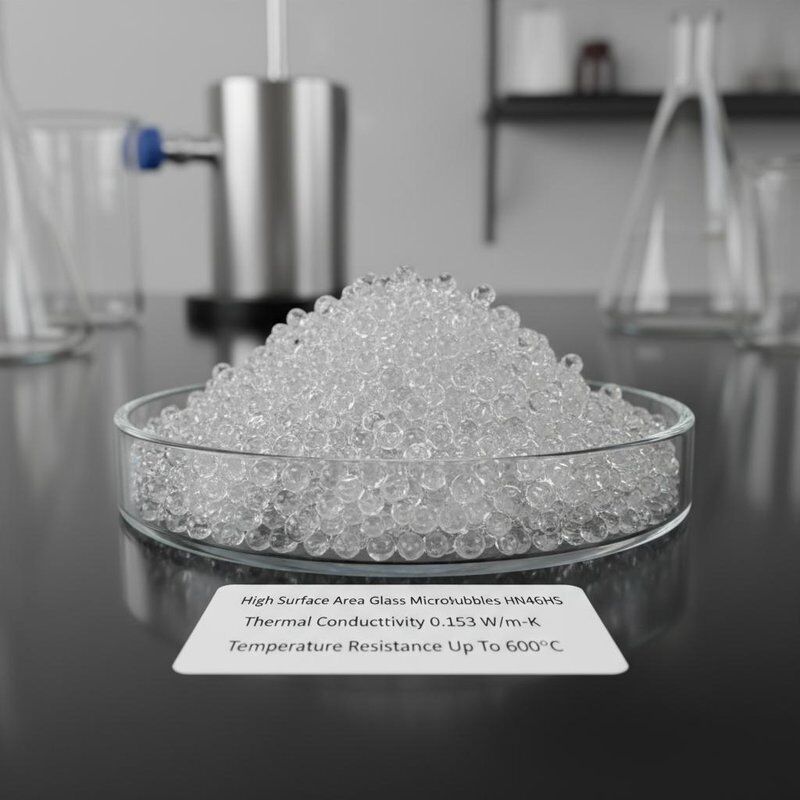
Mikropęcherzyki szklane to innowacyjne, lekkie materiały charakteryzujące się białymi do białawych, kulistymi cząstkami. Te maleńkie puste kuleczki są zaprojektowane tak, aby zapewniać liczne korzyści w różnych zastosowaniach przemysłowych, co czyni je niezbędnym elementem w nowoczesnej produkcji i projektowaniu produktów. Ich unikalna struktura i wyjątkowe właściwości pozwalają na zwiększenie wydajności w sektorach takich jak produkcja gumy, technologia morska i produkcja pojazdów samochodowych.
Jedną z wyróżniających się cech mikropęcherzyków szklanych jest ich zdolność do przyczyniania się do gładszego wykończenia powierzchni w materiałach kompozytowych i powłokach. Po włączeniu do mieszanek gumowych lub klejów, te mikropęcherzyki pomagają stworzyć bardziej jednolitą i dopracowaną teksturę, poprawiając ogólną jakość estetyczną i funkcjonalną produktu końcowego. To gładsze wykończenie powierzchni jest szczególnie cenne w zastosowaniach o wysokiej wydajności, gdzie integralność powierzchni i wygląd są kluczowe.
Przewodność cieplna mikropęcherzyków szklanych jest zauważalnie niska, mierzona na około 0,153 W/m·K. Ta cecha czyni je doskonałymi izolatorami termicznymi, zdolnymi do zmniejszania transferu ciepła w różnych materiałach. Ich niska przewodność cieplna jest szczególnie korzystna w zastosowaniach takich jak kleje do pakietów akumulatorów, gdzie zarządzanie rozpraszaniem ciepła i utrzymanie stabilności termicznej są najważniejsze. Poprzez integrację mikropęcherzyków szklanych z klejami do pakietów akumulatorów, producenci mogą poprawić zarządzanie termiczne systemów akumulatorowych, zwiększając bezpieczeństwo i wydajność.
Zawartość wilgoci jest kluczowym parametrem dla wielu materiałów przemysłowych, a mikropęcherzyki szklane wyróżniają się w tym zakresie, mając zawartość wilgoci poniżej 0,5%. Ta niska zawartość wilgoci zapewnia, że mikropęcherzyki pozostają stabilne i zachowują swoją integralność strukturalną podczas przetwarzania i przez cały cykl życia produktu. Minimalizuje również ryzyko defektów związanych z wilgocią lub degradacji wydajności, co czyni mikropęcherzyki szklane niezawodnym wyborem dla zastosowań narażonych na zmienne warunki środowiskowe.
W przemyśle gumowym mikropęcherzyki szklane są cenione za ich zdolność do zmniejszania gęstości bez kompromisu w zakresie wytrzymałości mechanicznej. Dodanie tych mikropęcherzyków do mieszanek gumowych skutkuje lżejszymi materiałami, które zachowują trwałość i elastyczność. Redukcja masy może prowadzić do poprawy efektywności paliwowej i wydajności w komponentach samochodowych, gdzie liczy się każdy gram. Dodatkowo, włączenie mikropęcherzyków szklanych przyczynia się do zwiększenia izolacji termicznej w częściach gumowych, co jeszcze bardziej poszerza ich zakres zastosowań.
Przemysł morski korzysta z zastosowania mikropęcherzyków szklanych ze względu na ich właściwości wypornościowe i odporność na trudne środowiska morskie. Te mikropęcherzyki mogą być stosowane w lekkich materiałach kompozytowych do statków morskich i konstrukcji przybrzeżnych, zapewniając wytrzymałość i trwałość przy jednoczesnym zmniejszeniu całkowitej masy. Ich niska absorpcja wilgoci i doskonałe właściwości termiczne pomagają utrzymać wydajność materiału nawet w trudnych warunkach, takich jak ekspozycja na słoną wodę i zmienne temperatury.
Pojazdy samochodowe również wykorzystują zalety mikropęcherzyków szklanych do poprawy wydajności i efektywności komponentów. Poza ich rolą w częściach gumowych, te mikropęcherzyki są stosowane w różnych materiałach kompozytowych w celu zwiększenia izolacji termicznej, zmniejszenia masy pojazdu i poprawy wykończenia powierzchni. Skutkuje to pojazdami, które są nie tylko lżejsze i bardziej paliwooszczędne, ale także oferują lepsze zarządzanie termiczne i atrakcyjność estetyczną. Zastosowanie mikropęcherzyków szklanych w klejach do pakietów akumulatorów jest szczególnie istotne w pojazdach elektrycznych, gdzie efektywne zarządzanie przewodnością cieplną jest kluczowe dla żywotności i bezpieczeństwa akumulatorów.
Ogólnie rzecz biorąc, mikropęcherzyki szklane stanowią wszechstronny i wysokowydajny materiał, który spełnia wymagające potrzeby wielu branż. Ich charakterystyczny biały do białawego, kulisty wygląd, w połączeniu z niską zawartością wilgoci i niską przewodnością cieplną, czyni je niezastąpionym dodatkiem do zastosowań wymagających ulepszonego wykończenia powierzchni, izolacji termicznej i właściwości lekkich. Niezależnie od tego, czy są stosowane w produkcji gumy, zastosowaniach morskich, czy w produkcji samochodów, mikropęcherzyki szklane przyczyniają się do poprawy jakości produktu, wydajności i zrównoważonego rozwoju.
Cechy:
-
Nazwa produktu: Mikropęcherzyki szklane
-
Skład: Krzemionka, powietrze i inne pierwiastki śladowe
-
Przewodność cieplna: 0,153 W/m·K, pomagając poprawić zarządzanie termiczne
-
Odporność chemiczna: Doskonała odporność na kwasy i zasady
-
Wygląd: Białe do białawych, kuliste cząstki
-
Odporność na temperaturę: Do 600°C
-
Poprawia właściwości mechaniczne przy stosowaniu w materiałach klejących
-
Lekki wypełniacz poprawiający zarządzanie termiczne w materiałach kompozytowych
Parametry techniczne:
|
Nazwa produktu
|
Mikropęcherzyki szklane
|
|
Skład
|
Krzemionka, powietrze i inne pierwiastki śladowe
|
|
Zastosowanie
|
Guma, morskie, pojazdy samochodowe
|
|
Średnica
|
10-55 µm
|
|
Powierzchnia właściwa
|
Wysoka
|
|
Wytrzymałość na ściskanie
|
16000 Psi
|
|
Odporność na temperaturę
|
Do 600°C
|
|
Przewodność cieplna
|
0,153 W/m·K
|
|
Gęstość nasypowa
|
Zmienna w zależności od gatunku
|
|
Zawartość wilgoci
|
<0,5%
|
Zastosowania:
Mikropęcherzyki szklane HAINUO, model HN46HS, są zaprojektowane tak, aby sprostać różnorodnym potrzebom przemysłowym i komercyjnym. Te białe do białawych, kuliste cząstki, składające się głównie z krzemionki, powietrza i innych pierwiastków śladowych, wykazują wyjątkowe właściwości, które czynią je idealnymi do poprawy wydajności produktów w wielu scenariuszach. Jedną z kluczowych zalet mikropęcherzyków szklanych HN46HS jest ich wysoka odporność na temperaturę, zdolność do wytrzymywania temperatur do 600°C, co pozwala na ich stosowanie w środowiskach o ekstremalnych warunkach termicznych bez degradacji.
W dziedzinie materiałów klejących mikropęcherzyki szklane HAINUO służą jako kluczowy dodatek do poprawy gładkości i spójności wykończenia powierzchni. Ich kulisty kształt ułatwia gładsze wykończenie powierzchni poprzez wypełnianie mikroskopijnych pustek i nierówności, co skutkuje poprawą estetyki i lepszą wydajnością funkcjonalną powłok i klejów. Dodatkowo, ich niska przewodność cieplna 0,153 W/m·K przyczynia się do lepszych właściwości izolacyjnych, co czyni je nieocenionymi w zastosowaniach, gdzie zarządzanie termiczne jest kluczowe.
Silnie odbijające właściwości optyczne mikropęcherzyków szklanych HN46HS sprawiają, że nadają się one również do stosowania w powłokach i farbach odblaskowych. Poprzez włączenie tych mikropęcherzyków, producenci mogą zwiększyć jasność i odbijalność powierzchni, przyczyniając się do efektywności energetycznej i lepszej widoczności w różnych warunkach oświetleniowych. Te cechy są szczególnie korzystne w przemyśle motoryzacyjnym, lotniczym i budowlanym, gdzie zarówno zarządzanie termiczne, jak i wydajność optyczna są niezbędne.
Ponadto, mikropęcherzyki szklane HAINUO są szeroko stosowane w materiałach kompozytowych w celu zmniejszenia masy przy jednoczesnym zachowaniu integralności strukturalnej. Ich lekkość pomaga w produkcji materiałów, które są łatwiejsze w obsłudze i transporcie, bez kompromisu w zakresie wytrzymałości lub trwałości. Czyni je to idealnymi do zastosowań w lekkich panelach, materiałach izolacyjnych i specjalistycznych tworzywach sztucznych.
Podsumowując, mikropęcherzyki szklane HAINUO HN46HS oferują wszechstronne możliwości zastosowania, od poprawy zarządzania termicznego i materiałów klejących, po zapewnienie gładszego wykończenia powierzchni i doskonałych właściwości optycznych. Ich zdolność do wytrzymywania wysokich temperatur, w połączeniu z unikalnym składem i wyglądem, zapewnia spełnienie wymagających potrzeb nowoczesnych zastosowań przemysłowych.
Personalizacja:
HAINUO oferuje spersonalizowane mikropęcherzyki szklane pod numerem modelu HN46HS, zaprojektowane tak, aby sprostać specyficznym wymaganiom aplikacji. Te mikropęcherzyki wykazują doskonałą odporność chemiczną na kwasy i zasady, zapewniając trwałość w trudnych warunkach. Dzięki odporności na temperaturę do 600°C, zachowują swoją integralność w ekstremalnych warunkach. Przewodność cieplna mikropęcherzyków szklanych HN46HS wynosi od 0,04 do 0,06 W/m·K, zapewniając doskonałą wydajność izolacyjną. Składające się głównie z krzemionki, powietrza i innych pierwiastków śladowych, te mikropęcherzyki zapewniają wyjątkowe właściwości mechaniczne, w tym wytrzymałość na ściskanie 16000 Psi. Nasze usługi personalizacji pozwalają na dostosowanie produktu w celu optymalizacji przewodności cieplnej i właściwości mechanicznych do Twoich unikalnych potrzeb aplikacyjnych.
Wsparcie i usługi:
Nasz produkt mikropęcherzyków szklanych jest wspierany przez dedykowany zespół techniczny, zaangażowany w zapewnienie optymalnej wydajności i satysfakcji klienta. Zapewniamy kompleksowe wsparcie techniczne obejmujące dobór produktu, wskazówki dotyczące zastosowania i rozwiązywanie problemów, aby pomóc Ci osiągnąć najlepsze rezultaty.
Nasze usługi obejmują szczegółowe karty danych produktu, noty aplikacyjne i informacje dotyczące bezpieczeństwa, aby pomóc Ci zrozumieć właściwości i obsługę mikropęcherzyków szklanych. Oferujemy również niestandardowe rozwiązania dostosowane do Twoich specyficznych wymagań, w tym rekomendacje dotyczące wielkości cząstek, gęstości i kompatybilności z różnymi matrycami.
W przypadku jakichkolwiek pytań technicznych nasi eksperci są dostępni, aby zapewnić szybką i kompetentną pomoc. Dążymy do wspierania Twoich innowacji i procesów produkcyjnych poprzez dostarczanie rzetelnych informacji i fachowych porad dotyczących efektywnego wykorzystania mikropęcherzyków szklanych w Twoich zastosowaniach.
Dodatkowo prowadzimy szkolenia i webinary, aby edukować użytkowników na temat zalet i najlepszych praktyk w zakresie włączania mikropęcherzyków szklanych do ich produktów, zapewniając maksymalne korzyści z tego zaawansowanego materiału.
Wybierając nasze mikropęcherzyki szklane, zyskujesz dostęp nie tylko do wysokiej jakości produktu, ale także do kompleksowego systemu wsparcia dedykowanego Twojemu sukcesowi.
FAQ:
P1: Do czego służą mikropęcherzyki szklane HAINUO HN46HS?
O1: Mikropęcherzyki szklane HAINUO HN46HS są wykorzystywane głównie jako lekkie wypełniacze w kompozytach, powłokach, klejach i uszczelniaczach w celu poprawy wytrzymałości, zmniejszenia masy i zwiększenia izolacji termicznej.
P2: Jaki jest typowy zakres wielkości mikropęcherzyków szklanych HAINUO HN46HS?
O2: Mikropęcherzyki szklane HAINUO HN46HS mają typową średnicę w zakresie od 10 do 100 mikronów, zapewniając doskonałą jednorodność i stałą wydajność w różnych zastosowaniach.
P3: Czy mikropęcherzyki szklane HAINUO HN46HS są stabilne chemicznie?
O3: Tak, mikropęcherzyki szklane HAINUO HN46HS wykazują doskonałą stabilność chemiczną i są obojętne, co czyni je odpowiednimi do stosowania w trudnych środowiskach chemicznych bez degradacji.
P4: W jaki sposób model HAINUO HN46HS poprawia właściwości materiałów?
O4: Poprzez włączenie mikropęcherzyków szklanych HAINUO HN46HS, materiały zyskują zmniejszoną gęstość, poprawione właściwości izolacyjne, zwiększoną wyporność i lepszą odporność na uderzenia, w zależności od zastosowania.
P5: Jaka jest gęstość nasypowa mikropęcherzyków szklanych HAINUO HN46HS?
O5: Gęstość nasypowa mikropęcherzyków szklanych HAINUO HN46HS wynosi zazwyczaj około 0,46 g/cm³, co czyni je idealnymi do rozwiązań zmniejszających masę w zastosowaniach przemysłowych.


 Twoja wiadomość musi mieć od 20 do 3000 znaków!